


Running a restaurant in India is both exciting and challenging. With over 500,000 restaurants operating across the country in 2025 and around 60% of new restaurants closing within the first year, standing out and attracting customers requires smart strategies and consistent effort. Many successful restaurants today rely on structured restaurant marketing services to build predictable growth. The good news is that independent outlets still command approximately 65% of the market share, proving that smaller restaurants can thrive with the right approach. This guide presents 15 proven strategies that Indian restaurant owners can implement to attract more customers and build a loyal following.
Optimize Your Online Ordering System
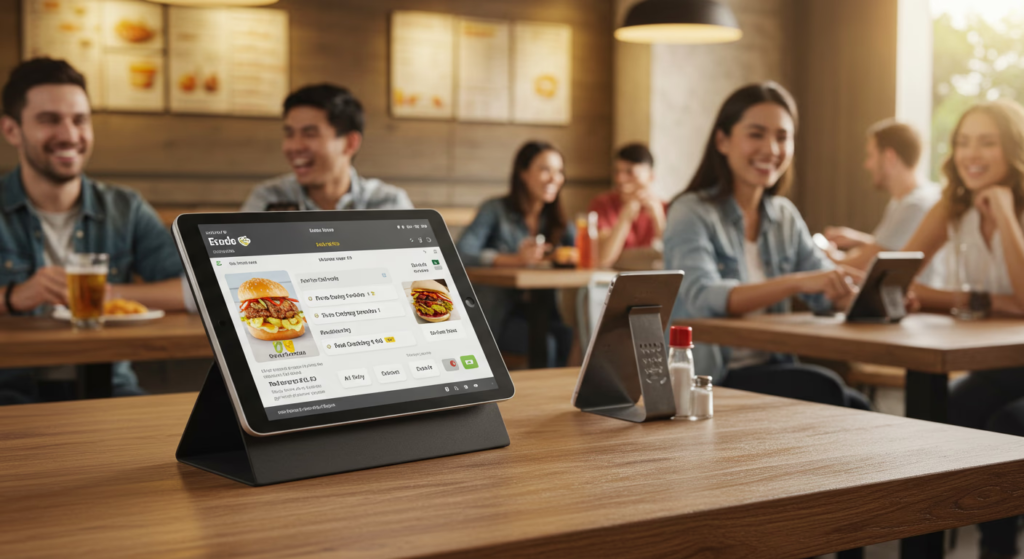
The Indian online food delivery market reached ₹31.77 billion in 2024 and is projected to grow to over ₹140 billion by 2030. This explosive growth means you cannot afford to ignore digital ordering.
Set up commission-free online ordering through your own website or app to avoid the heavy 20-30% fees charged by delivery platforms. While these platforms provide visibility, relying exclusively on them cuts deeply into your profits. Having your own direct ordering system helps you build customer relationships and retain more revenue. If you’re struggling with aggregator dependency, read this detailed guide on increasing restaurant revenue without Zomato ads.
Make sure your online menu allows customization for spice levels, dietary preferences, and ingredient substitutions. Indian cuisine is incredibly diverse and your customers appreciate being able to tailor orders to their exact preferences. Mobile-responsive ordering is essential as most customers will order from their smartphones.
Master Social Media Storytelling
More than 80% of diners check reviews and social media before choosing a restaurant. Your social media presence directly impacts whether potential customers walk through your door.
Use Instagram Reels strategically. Here are powerful Instagram Reels ideas for restaurants in India that actually generate views and walk-ins.
Focus on platforms like Instagram and Facebook where food lovers spend their time. Share high-quality photos and videos of your dishes, but go beyond just food photography. Show behind-the-scenes content of your kitchen, introduce your chefs and staff, highlight how you source authentic spices from specific regions, and share the stories behind traditional dishes.
Post consistently at least 3-4 times per week to stay visible. Use Instagram Reels and stories to share daily specials, cooking processes, and customer experiences. The key is authenticity. People connect with real stories about your restaurant’s heritage and the passion behind your cooking.
Leverage Festival Marketing
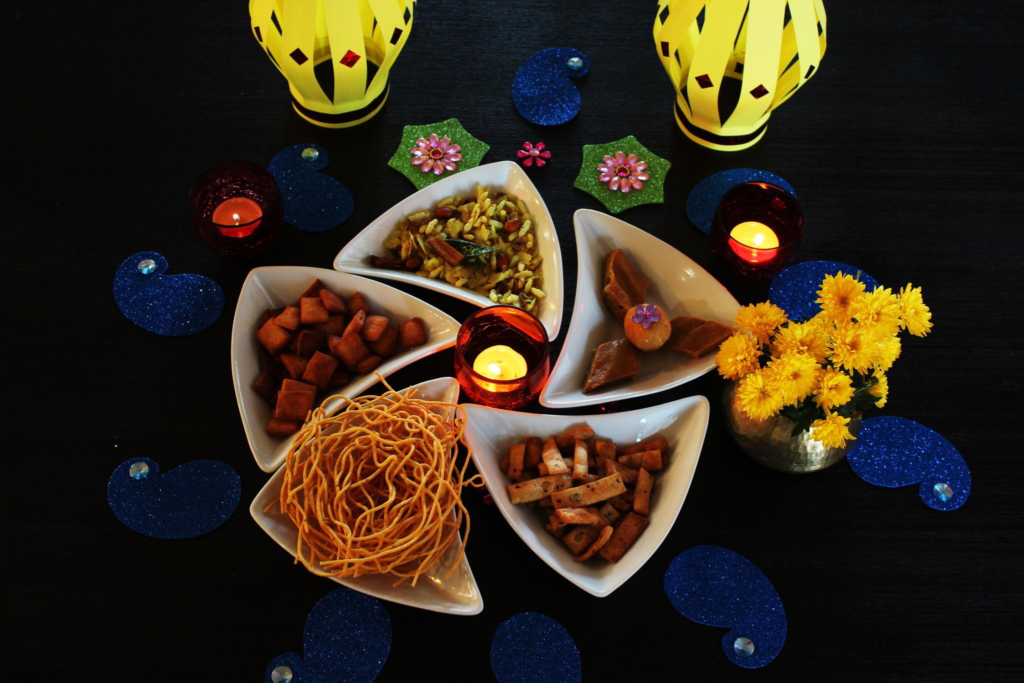
Indian festivals like Diwali, Holi, Eid, and regional harvest celebrations provide perfect opportunities for special promotions and themed menus. Restaurants using festival-based marketing through automated messaging see significant improvements in marketing efficiency.
Create limited-time festive menus that celebrate the occasion. Host themed events like Diwali feast nights or Holi color celebrations. Run social media contests where followers can win family meals or festival hampers by tagging friends or sharing their favorite festival food memories.
These seasonal campaigns create urgency and tap into existing consumer demand during high-spending periods. They also generate newsworthy content that can attract media attention and social media sharing.
Build a Strong Google Business Profile
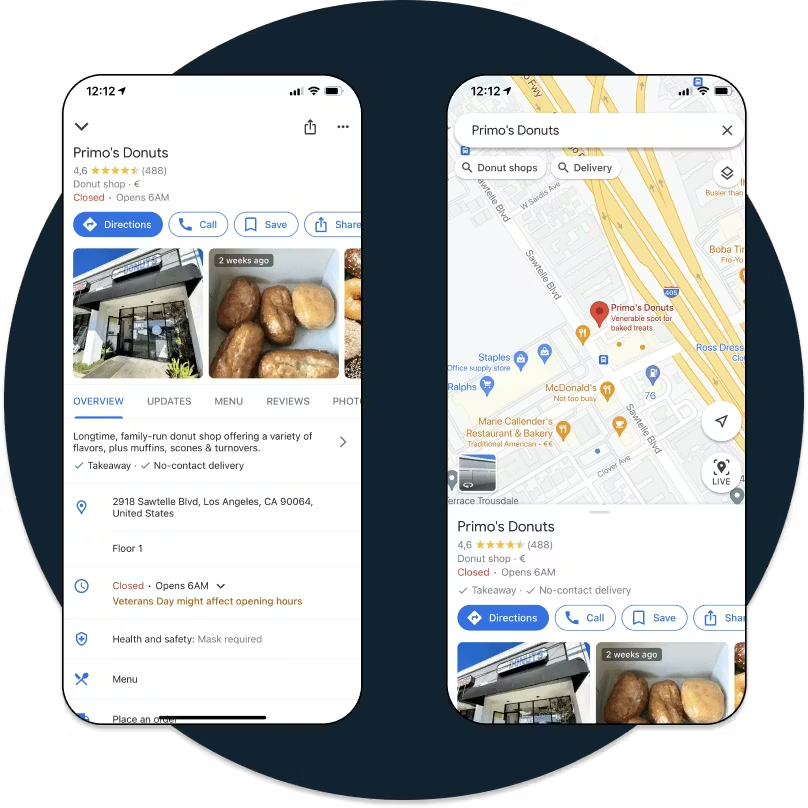
Local SEO is crucial for attracting nearby customers. Claim and optimize your Google Business Profile ensuring your name, address, and phone number are consistent across all online platforms.
Add high-quality photos of your dishes, restaurant interior, and happy customers. Keep your hours updated especially during festivals and holidays. Respond promptly to all reviews whether positive or negative. This shows potential customers that you care about feedback and actively engage with your community.
Optimize for local search terms like “best Indian restaurant near me” or “best butter chicken in [your city].” When people in your area search for Indian food, you want your restaurant appearing at the top of results.
If your restaurant is not visible, read this guide on why your restaurant isn’t showing on Google Maps and how to fix it.
You should also review this complete guide on optimizing your Google Business Profile for maximum local visibility.
Encourage and Showcase Customer Reviews
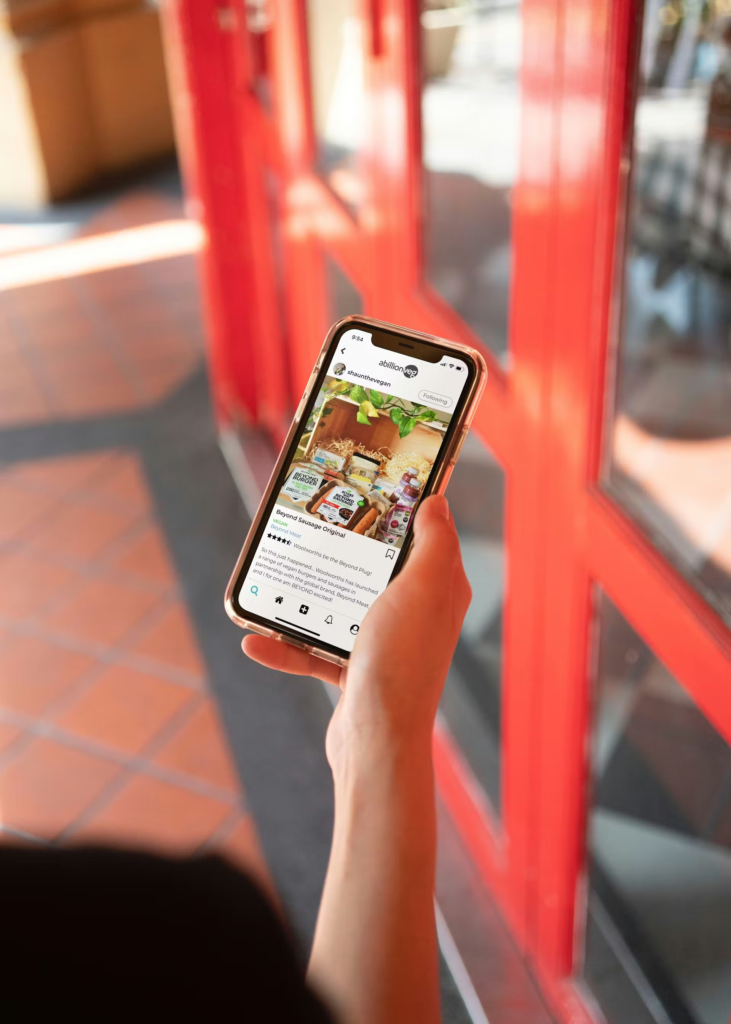
Over 80% of diners check reviews before choosing a restaurant. Positive reviews build trust fast, especially for cuisine that might be new to some guests.
Make it easy for satisfied customers to leave feedback. Train your staff to politely request reviews at the end of great dining experiences. Offer small incentives like “Leave a review and enjoy a complimentary dessert on your next visit.”
Showcase glowing testimonials on your website and social media. Share user-generated content with permission such as guest photos enjoying your signature thali or festive meals. Respond thoughtfully to all feedback highlighting your commitment to authentic high-quality food.
Learn how to professionally respond to negative reviews on Zomato and Google without damaging your reputation.
Create a Loyalty Program
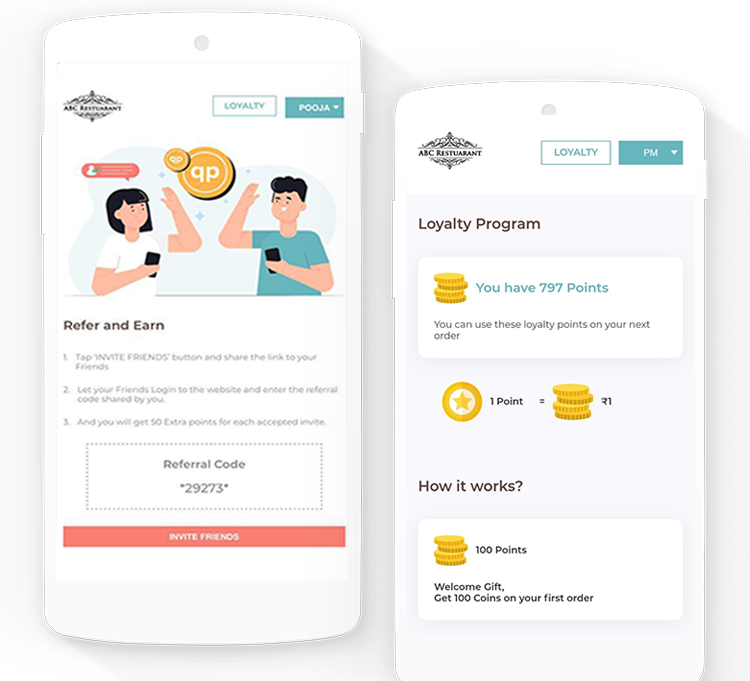
Loyalty programs drive repeat business and increase average spending. Indian restaurants that offer personalized perks like a free dessert on Holi or birthday discounts make customers feel valued.
Use a digital loyalty platform that integrates with your online ordering system for seamless tracking. Highlight rewards that showcase your menu’s variety such as “Earn a free gulab jamun after five visits” or “Get 10% off your sixth biryani order.”
Personalize offers based on customer favorites. If someone always orders vegetarian dishes, send them updates about new vegetarian specials. This targeted approach makes customers feel understood and appreciated.
Invest in Short-Form Video Content

Platforms like Instagram Reels, YouTube Shorts, and Facebook videos are where customers discover new restaurants in 2025. People of all ages consume short-form video content daily.
Showcase your tandoor oven in action, the art of folding samosas, or a chef plating butter chicken to perfection. Add catchy music and captions. Post consistently and use trending hashtags like #IndianFood, #IndianRestaurant, and location-specific tags.
Live cooking sessions on Instagram or Facebook where you show how to make classic dishes like naan or mango lassi generate high engagement. Viewers can ask questions in real-time creating interactive experiences that build connection with your brand.
Run Targeted Local Ads
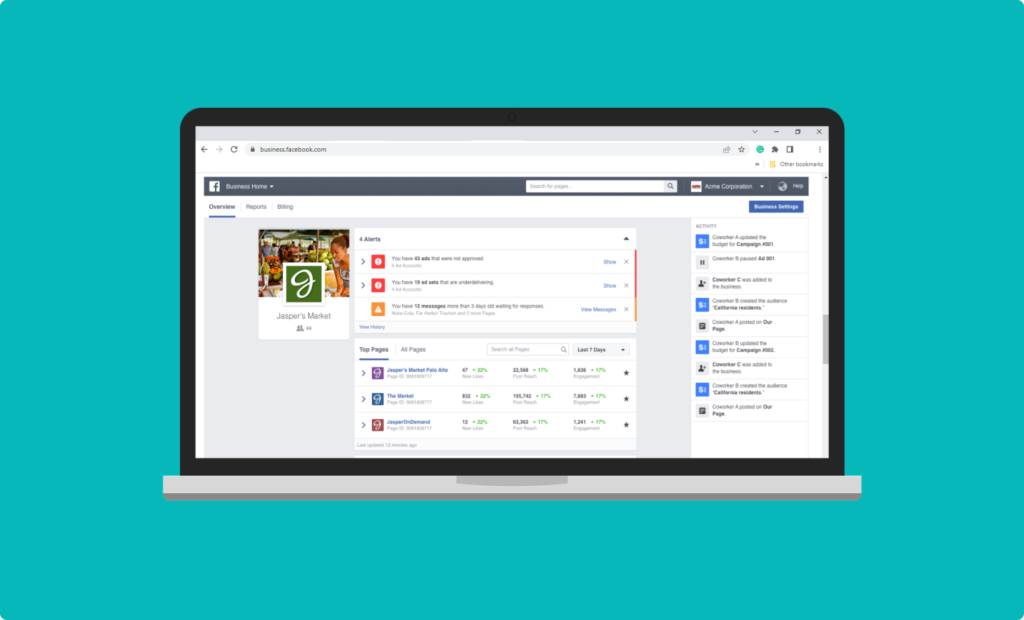
Paid advertising on Facebook and Instagram allows hyper-targeted campaigns reaching people in your specific area. If you own a restaurant in Mumbai’s Bandra area, you can run promotions targeted at people within a 5 km radius aged 18-40 interested in food.
Geo-targeted Facebook ads often drive conversion rates 2-3 times higher than non-targeted campaigns. Create separate ad strategies for different customer segments such as first-time diners, special occasion celebrants, corporate catering clients, and regular patrons.
Use compelling visuals of your best dishes and clear calls to action like “Order Now,” “Book a Table,” or “View Menu.” Track your ad performance and adjust based on what generates the most orders or reservations.
Restaurants in competitive markets like Mumbai, Bangalore, and Hyderabad benefit greatly from hyper-local ad strategies.
Partner with Food Influencers
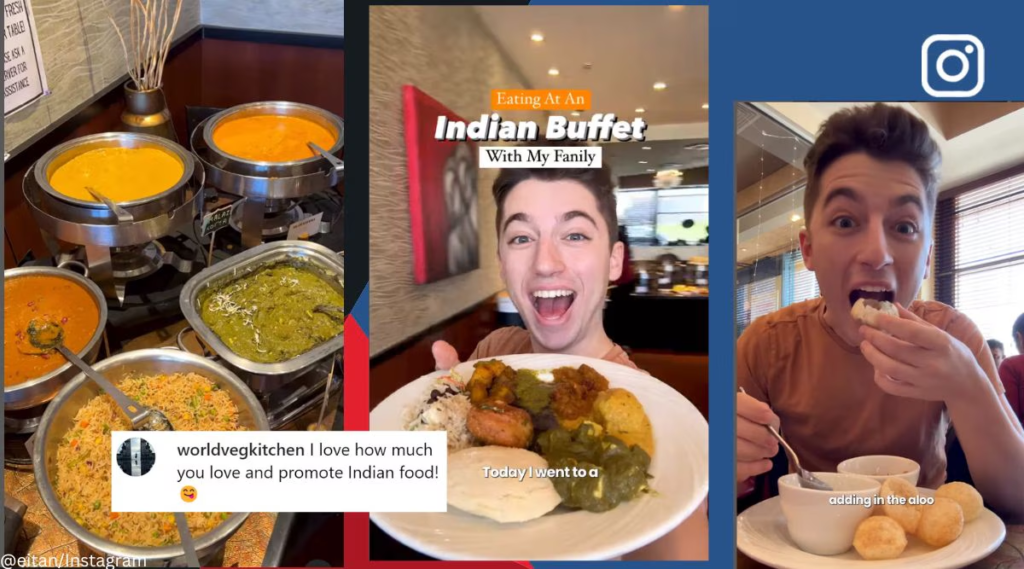
Influencer marketing is a game-changer in the food and beverage world. Local food influencers or micro-influencers with 5,000-50,000 followers can create significant buzz through tasting sessions, giveaways, and honest reviews.
Choose influencers who align with your brand whether they are vegan bloggers, dessert connoisseurs, or street food enthusiasts. According to research, 78% of millennials prefer to spend money on experiences rather than physical goods, so experiential marketing through influencer collaborations resonates strongly with younger demographics.
Invite influencers for complimentary meals in exchange for authentic content. Their followers trust their recommendations making this an effective way to reach new audiences who value their opinions.
Host Cultural Events and Cooking Classes
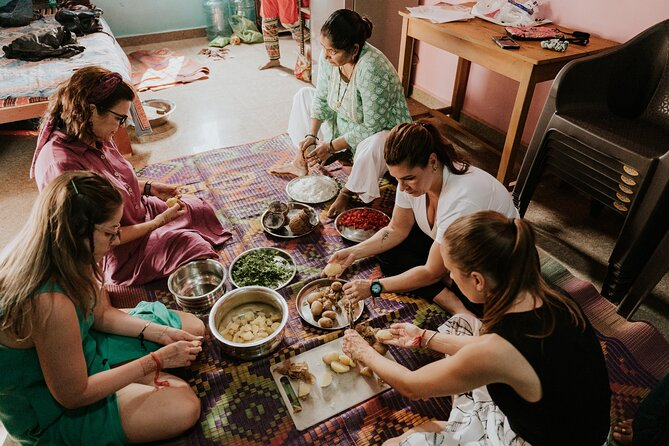
Consider implementing monthly thali nights featuring rotating regional cuisines or hosting Bollywood movie nights that combine entertainment with thematic dinner offerings. These events generate additional revenue and create newsworthy experiences that garner media attention.
Cooking classes build deeper connections with customers while positioning your chef as an authority on Indian cuisine. Teach participants how to make classic dishes, explain the significance of different spices, or share family recipes passed down through generations.
These experiential offerings give customers more than just a meal. They provide memorable experiences that people eagerly share on social media, driving organic marketing for your restaurant.
Optimize Your Menu Based on Data

Data analytics shows which dishes customers love across different regions. This goes beyond tracking popular items to understanding diverse customer groups and local tastes.
Analyze your sales data to identify best-sellers and underperformers. Popular chains have boosted revenue by over 20% after using analytics to refine menu offerings and localize marketing strategies. Consider regional preferences and spice tolerance levels when designing menus for different locations.
Use this data to optimize portion sizes, adjust pricing, and develop new dishes that align with customer preferences. Remove items that consistently underperform and highlight dishes that drive high margins and customer satisfaction.
Implement Email Marketing Campaigns
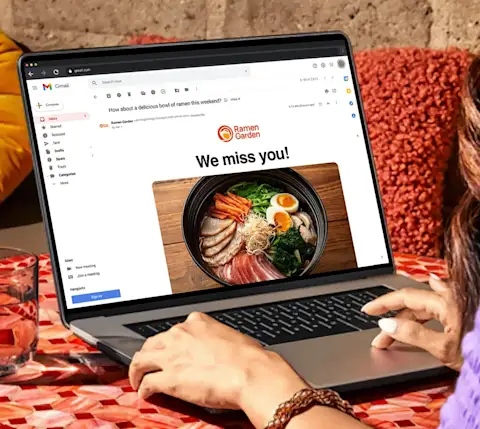
Email marketing offers exceptional return on investment for restaurants. Develop a segmented email strategy that delivers personalized communications based on customer preferences and behaviors.
Send monthly newsletters featuring new menu items, chef’s specials, or stories behind traditional dishes. Share festival announcements, exclusive discounts for email subscribers, and invitations to special events.
Segment your list based on customer behavior. Send different messages to frequent visitors versus occasional diners. Personalization increases open rates and drives more conversions than generic mass emails.
Create Instagrammable Experiences
Visual appeal drives social media sharing. Create photogenic spots in your restaurant like neon signs, aesthetic plating presentations, or quirky wall art that customers want to photograph.
Encourage diners to tag your handle when posting pictures. Run contests like “Post a photo with our signature dish and tag three friends to win a free meal.” This user-generated content builds authenticity and spreads your brand’s reach faster than traditional advertising.
The more shareable your restaurant experience, the more organic marketing you generate without spending on ads. Each customer becomes a potential brand ambassador when they share their dining experience with their networks.
Focus on Sustainability and Transparency
Around 60% of Indian consumers are willing to pay a premium for sustainable products. Restaurants increasingly focus on sustainability and ethical sourcing to meet these consumer preferences.
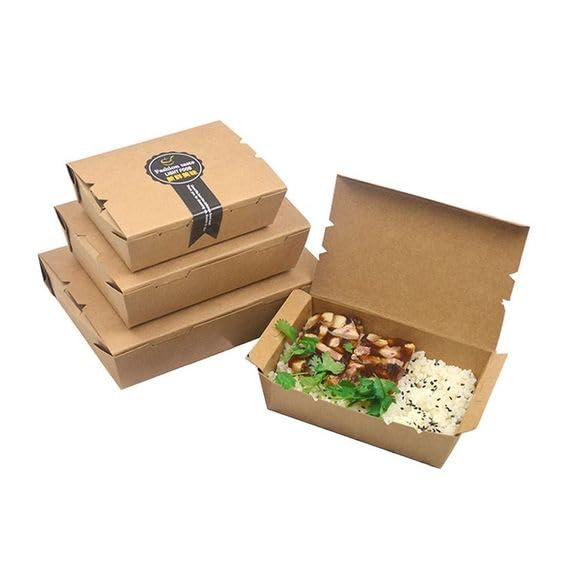
Share your sustainability practices on social media. Show how you source ingredients, reduce food waste, or use eco-friendly packaging. Highlight local suppliers and organic ingredients. This transparency builds trust and resonates with environmentally conscious diners.
Behind-the-scenes content showing your commitment to quality and sustainability differentiates your restaurant from competitors. Customers appreciate knowing where their food comes from and how it is prepared.
Respond and Engage Consistently
Your job does not end with posting content. Actively engage with your community by replying to direct messages and comments promptly, acknowledging all reviews both good and bad, answering questions about ingredients or preparation methods, and thanking customers who share photos or positive experiences.
This consistent engagement builds community around your brand. When potential customers see that you are responsive and care about your diners, they feel more confident choosing your restaurant.
Set aside time daily to manage your online presence. Quick responses to inquiries can be the difference between gaining a new customer or losing them to a competitor who responds faster.
Final Thoughts
The Indian restaurant industry is highly competitive with the sector employing 8.5 million people in 2025 and expected to grow by over 20% to 10.3 million by 2028. Success requires combining excellent food and service with smart marketing strategies that reach customers where they spend their time.
Focus on building both online and offline presence. Use technology and data to understand your customers better while maintaining the personal touch and authentic experiences that make dining memorable. Start with strategies that fit your budget and capacity then gradually expand your marketing efforts as you see results.
Remember that consistency matters more than perfection. Regular posting on social media, steady engagement with customers, and continuous improvement based on feedback will drive long-term growth. The restaurants that thrive are those that adapt to changing customer preferences while staying true to their authentic culinary heritage.
If you want expert-level restaurant marketing execution tailored to your city and competition level, you can book a free consultation here.
By implementing these 15 strategies, you can attract more customers, build lasting loyalty, and establish your restaurant as a beloved destination in your community.

Leave a Reply