


Table of Contents
Zomato and Swiggy charge restaurants 20-30% commission on every order. For restaurants already operating on tight margins of 5-10%, these fees can be the difference between profit and loss. While these platforms provide visibility, relying exclusively on them to grow revenue is expensive and unsustainable. The good news is that restaurants using commission-free ordering systems and direct marketing channels can increase revenue by 30% or more without spending another rupee on delivery platform ads. Here are proven strategies that put money back in your pocket while driving more customers through your door.
Restaurants across India are implementing these systems through structured restaurant marketing support in cities like Mumbai and Bangalore.
Set Up Commission-Free Online Ordering
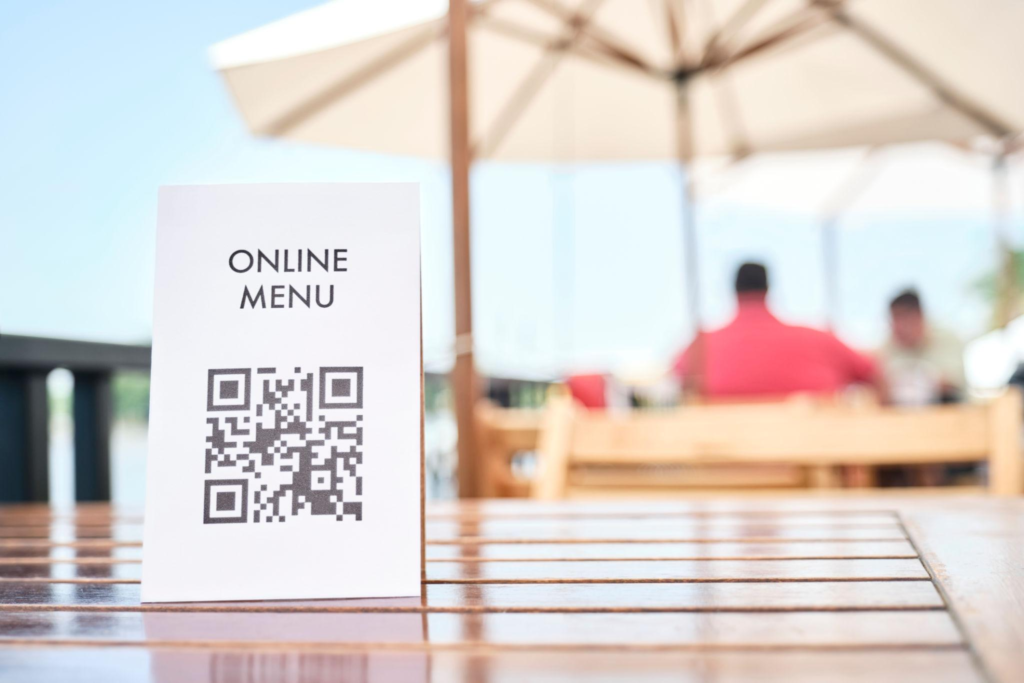
The quickest win for any restaurant is implementing your own online ordering system. When customers order directly from your website or app instead of through Zomato or Swiggy, you keep 100% of the revenue. That 20-30% commission saving drops straight to your bottom line.
Platforms like WAAYU, India’s first zero-commission food delivery platform, expanded to 25 cities in December 2024 and aims to onboard 100,000 restaurants within three years. This shows the massive shift away from commission-heavy aggregators.
Make your ordering process mobile-friendly since 85.4% of food orders are placed via mobile apps according to 2025 data. Include click-to-call buttons, clear menus with photos, and integrated payment options. The easier you make direct ordering, the more customers will bypass third-party apps.
Promote your direct ordering with a simple incentive like “Order direct and save 10%” or “Free delivery on orders from our website.” Even a small discount beats paying 25% commission to delivery platforms.
Many restaurants working with experts in Hyderabad and Pune have successfully shifted toward commission-free ordering systems.
Build Your WhatsApp Customer List
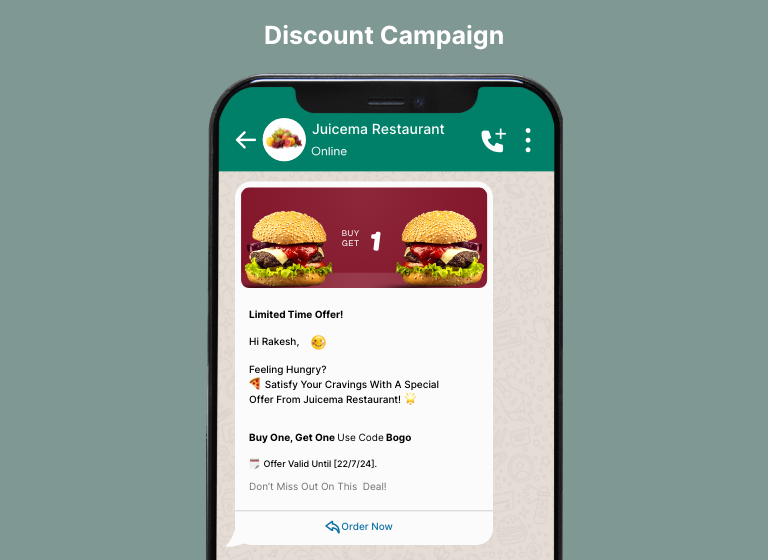
WhatsApp marketing delivers extraordinary results for restaurants. With a 98% open rate compared to email’s 20% and conversion rates of 45-60% versus email’s 2-5%, WhatsApp turns subscribers into repeat customers without any ad spend.
Start collecting customer phone numbers through table tents with QR codes, staff requests at checkout, delivery order follow-ups, and website signup forms. Build your list ethically with explicit permission.
Send targeted broadcast messages about daily specials, festival menus, limited-time offers, and last-minute deals to fill slow periods. One restaurant in India saw a 40% increase in takeout orders during peak hours using WhatsApp promotions according to industry reports.
Create exclusive WhatsApp-only deals that give customers compelling reasons to join and stay subscribed. This builds direct relationships that delivery platforms cannot control or monetize.
Restaurants in competitive markets like Jaipur and Surat are increasingly using WhatsApp to drive repeat business.
Optimize Your Google Business Profile Completely
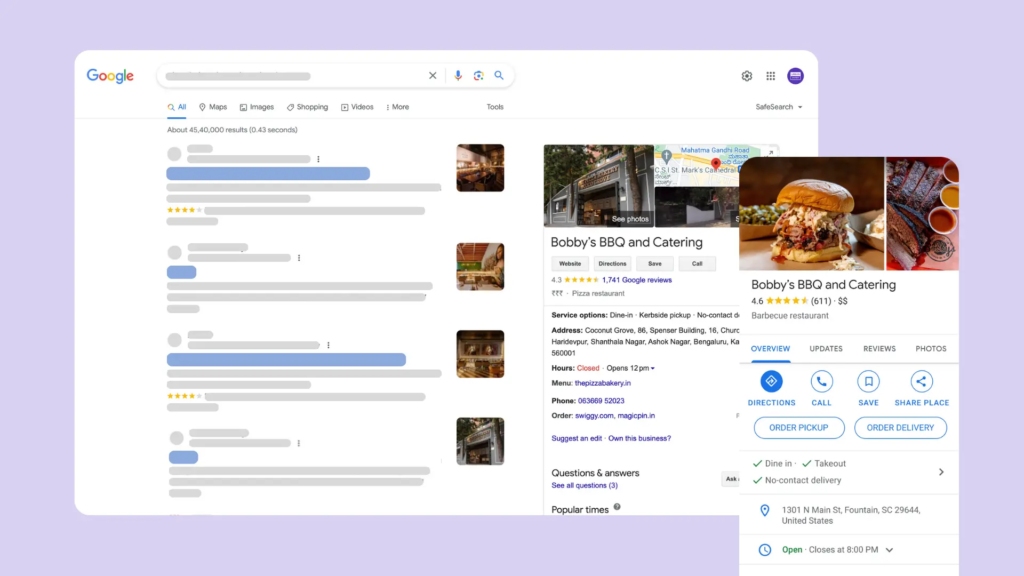
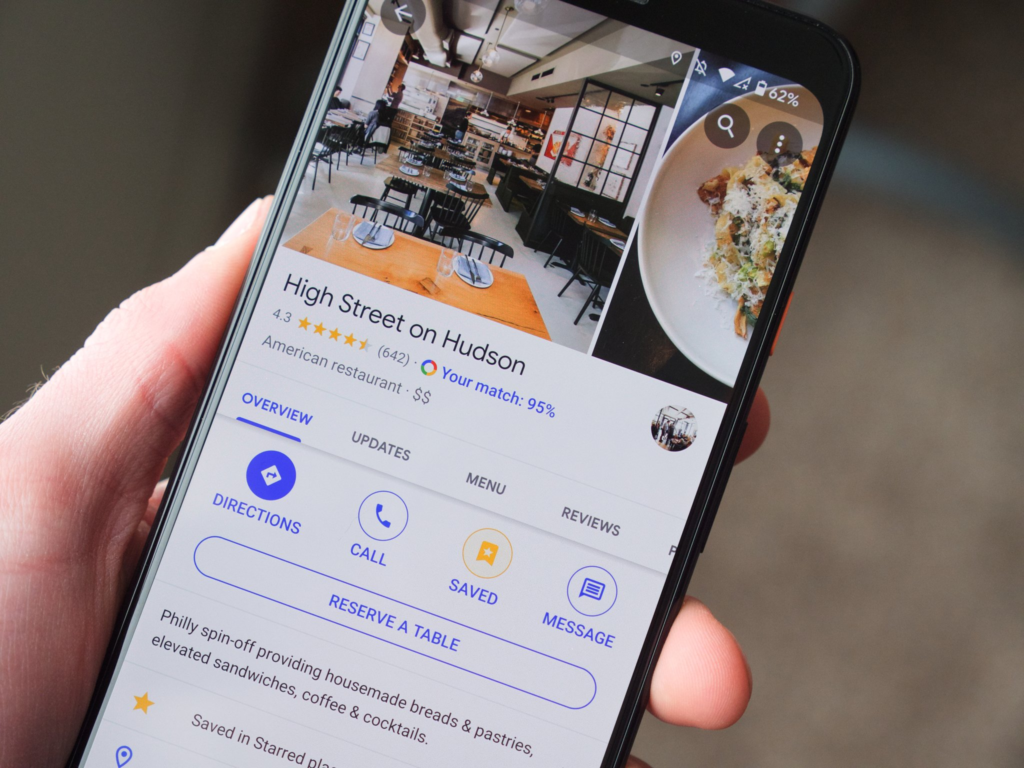
Your Google Business Profile is free advertising that drives massive traffic. With 93% of diners checking Google before choosing restaurants and 62% turning to Google specifically when looking for places to eat, optimization here is essential.
Complete every single field including verified business hours, detailed menu upload, high-quality photos (20-30 minimum), accurate location and contact info, and all relevant attributes like outdoor seating or delivery options. Restaurants with fully optimized profiles get 70% more engagement compared to incomplete listings.
Post weekly updates about specials and events. Respond to every review within 24-48 hours. Upload your complete menu since Google confirmed in 2025 that menu uploads significantly impact online visibility and customer engagement.
Monitor your insights monthly to understand how customers find and interact with your listing. This free tool converts searches into customers without any advertising spend.
Proper optimization strategies are especially important for restaurants operating in fast-growing cities like Lucknow and Chandigarh.
Create Instagram Reels Consistently
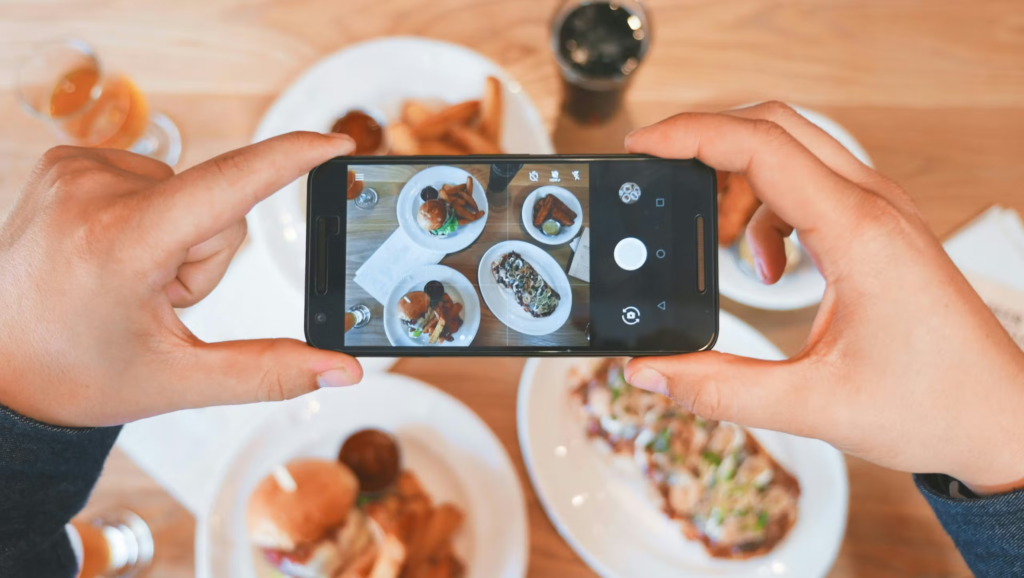
India leads the world with 362 million Reels users and 60% of consumers use Instagram to find new restaurants. Reels reach 36% more users than carousels and 125% more than photo posts with engagement rates of 1.23% versus 0.70% for regular photos.
Film the sizzle of dishes being served, behind-the-scenes kitchen prep, first bite reactions from customers, quick recipe teasers, and satisfying food prep videos. Keep most Reels under 15 seconds and use trending audio to boost discoverability.
Post 3-4 Reels weekly mixing different content types. Tag your location and use local hashtags like #MumbaiFood or #DelhiFoodie. Visual content showing your food in action converts scrollers into diners at zero cost beyond your time.
Food and beverage video content averages 135,200 views per video showing massive organic reach potential without paid advertising.
Hyperlocal SEO execution is particularly powerful for restaurants in cities such as Mumbai and Bangalore, where competition is extremely high.
Implement a Digital Loyalty Program
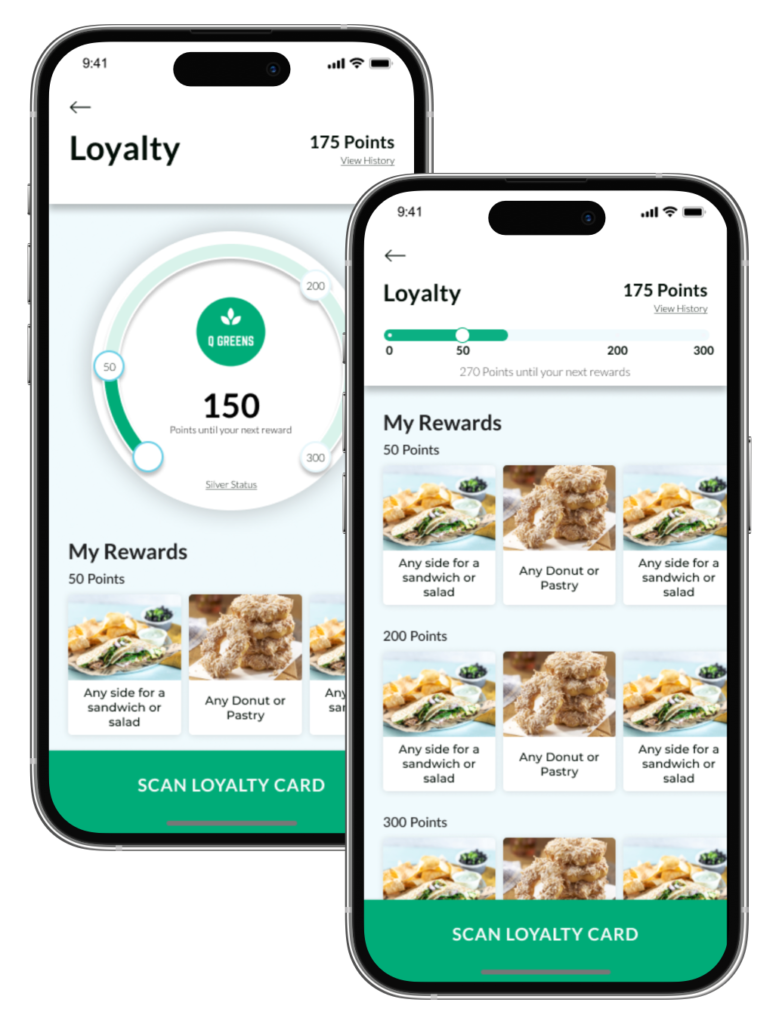
Repeat customers are significantly more profitable than new ones. A simple loyalty program tied to digital wallets or your ordering system encourages customers to return more often and spend more over time.
Offer personalized perks based on customer preferences. If someone always orders vegetarian, send them updates about new vegetarian specials. Birthday discounts and festival bonuses make customers feel valued.
Digital loyalty programs reduce reliance on third-party discounts that hurt margins. When customers join your program, they order directly from you rather than shopping around on aggregator apps.
Track purchasing patterns and send targeted offers to increase frequency. A customer who orders monthly can be nudged to order bi-weekly with the right incentives.
Leverage Festival and Seasonal Marketing
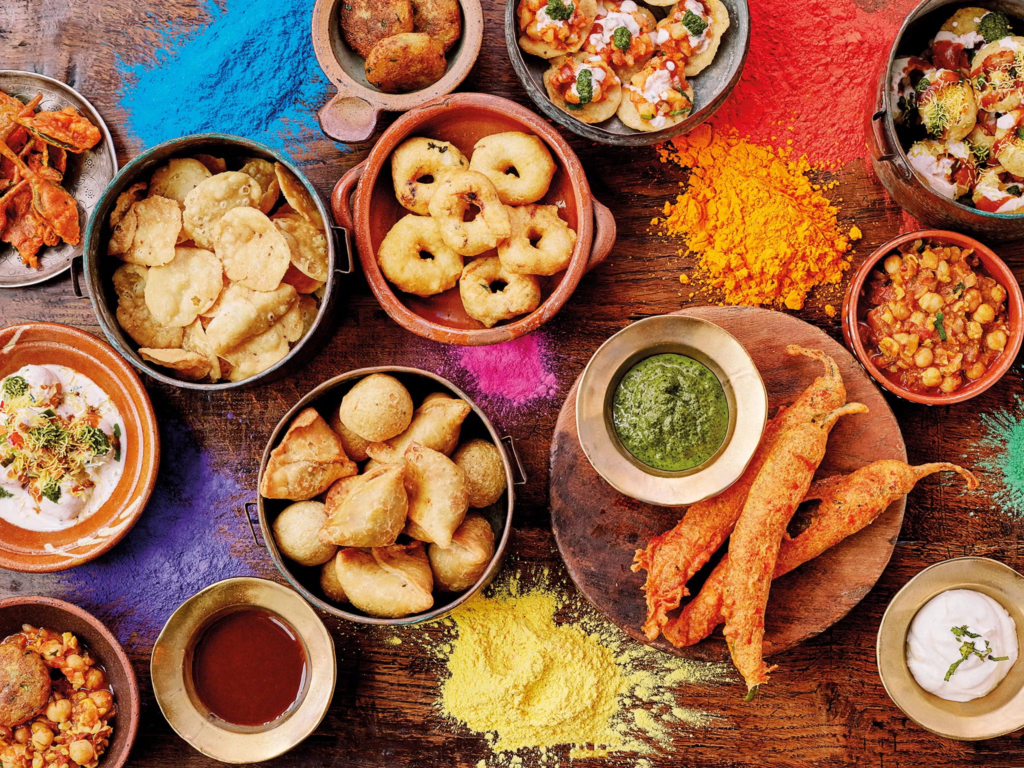
Indian festivals like Diwali, Holi, Eid, and regional celebrations provide perfect opportunities for special promotions. Restaurants using festival-based marketing through automated messaging see significant improvements in efficiency.
Create limited-time festive menus and themed events. Run social media contests where followers win family meals by tagging friends. Post festive content 1-2 weeks before celebrations when people are planning where to eat.
These seasonal campaigns create urgency and tap into existing consumer demand during high-spending periods. They generate organic social media sharing that extends your reach without advertising costs.
If you’re looking for city-specific restaurant marketing execution, explore dedicated solutions for Mumbai, Hyderabad, or Pune, or book a free consultation here.
Master Local SEO and Keywords
Generic keywords are too competitive but hyperlocal terms like “butter chicken in Bandra Mumbai” or “late-night biryani delivery in Connaught Place Delhi” rank faster and convert better.
Create location-specific content on your website about local food culture, neighborhood guides, and seasonal menus tied to regional festivals. This helps you rank for location-based searches that drive nearby customers.
Research shows that restaurants typically see 40-70% increases in organic traffic within 4-6 months of implementing local SEO strategies. This traffic costs nothing and converts at higher rates than paid advertising.
Encourage User-Generated Content
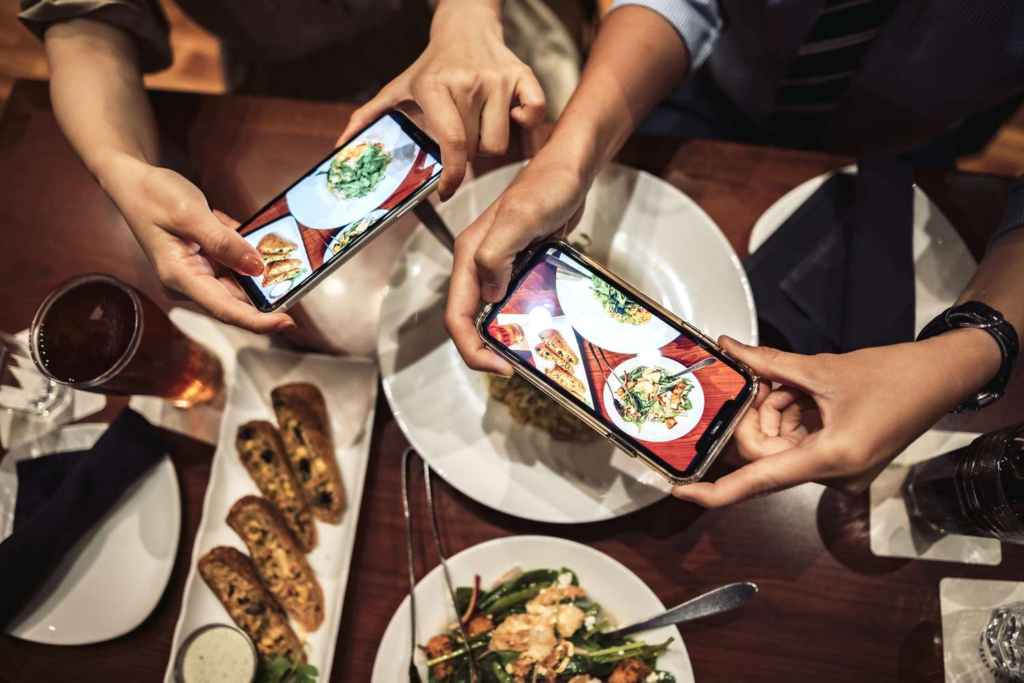
85% of customers share positive dining experiences on social media and 92% trust recommendations from friends and family over ads. Leverage this by encouraging customers to post about their meals.
Create Instagrammable moments in your restaurant through neon signs, aesthetic plating, or quirky wall art. Run contests like “Post a photo with our signature dish and tag three friends to win a free meal.”
Each customer who shares their experience introduces your restaurant to their entire network for free. This organic marketing is more trusted and effective than any paid advertisement.
Repost customer content with permission and always tag them. They will likely share it again, creating a multiplier effect.
Send Targeted Email Campaigns
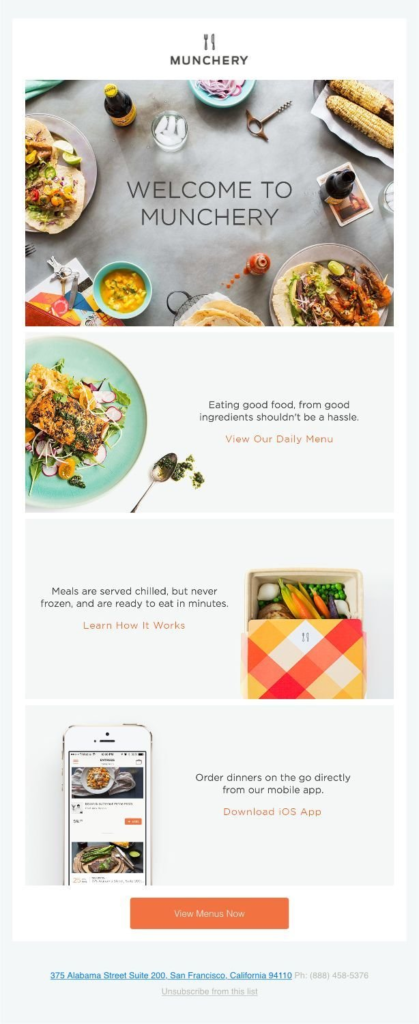
Email marketing offers exceptional ROI when done correctly. Develop segmented campaigns based on customer behavior and preferences rather than generic mass emails.
Send monthly newsletters featuring new menu items, festival announcements, exclusive email subscriber discounts, and invitations to special events. Segment your list to send different messages to frequent visitors versus occasional diners.
Personalization increases open rates significantly. Customers who receive relevant offers based on their past orders are much more likely to act than those getting generic promotions.
Partner with Local Food Influencers
Micro-influencers with 5,000-50,000 followers create significant buzz through authentic content. According to research, 78% of millennials prefer spending money on experiences rather than physical goods, making experiential marketing through influencer collaborations highly effective.
Invite influencers for complimentary meals in exchange for honest reviews and social content. Their followers trust their recommendations making this more effective than paid advertising.
Choose influencers who align with your brand whether they focus on vegan food, desserts, or street food. Authentic partnerships generate genuine interest from engaged audiences.
Final Thoughts
Increasing restaurant revenue by 30% without spending more on Zomato or Swiggy ads is absolutely achievable. The strategies in this guide work because they build direct customer relationships, leverage free marketing channels, and eliminate expensive middlemen.
Start with commission-free online ordering since this delivers immediate margin improvement. Then systematically implement WhatsApp marketing, Google optimization, Instagram Reels, and loyalty programs. Each strategy compounds the others, creating sustainable growth.
The restaurants thriving in 2025 are those that own their customer relationships rather than renting them from delivery platforms. Take control of your revenue, build direct connections with diners, and watch your profits grow without increasing advertising spend.
Remember that 70% of restaurant revenue in Tier 1 cities now comes from online ordering. The question is not whether to embrace digital marketing but whether you will own those channels or pay platforms forever to access your own customers.

Leave a Reply